This method sequences both large coding/noncoding RNA, and small RNA from a single cell.
Single sperm Large and Small RNA seq:
Buffer Preparation:
Make 2X sperm lysis buffer:
160µl H20
100µl 2% SLS
40µl 1M Tris-HCL pH8
20µl 2M NaCl
80µl 1M DTT
400µl
Make Adenylated 3’ ligation adaptor:
**3’ adaptor adenylation should be done in bulk. Minimum 5 reactions.
1µl 100µM ligation adaptor (100pmol input)
2µl 10X buffer
2µl 1mM ATP
2µl Mth RNA ligase
13µl NF-H20
20µl
65˚C 1hr, 85˚C 5min, 4˚C hold
- pool 5 reactions together, purify with kappa beads with isopropanol alcohol
100µl pooled reaction
100µl Beads
270µl Isopropanol
Elute with 20µl NF-H20.
**optional: check the yield with Agilent Bioanalyzer DNA HS.
PartI:
Lysis:
~1µl sperm in PCR tube
1µl buffer 1 2X
2µl total
70˚C 5min, 4˚C hold
1.5µl H2O
0.22µl Tween-20 40%
Mix by pipetting, Room Temperature 5min
PolyA:
0.75µl First Strand Buffer 5X
0.25µl ATP (0.5mM)
0.25µl polyA polymerase
0.125µl RNaseIN
5.125µl
Mix by pipetting, place quickly on thermocycler
16˚C 5min, 65˚C 10min, 4˚C hold
Add: 1µl Barcode oligo in 96 well plate (0.025µM)
**Be very careful not to cross-contaminate the primers. Do not reuse plate film after taken the film off.
65˚C 5min, Snap cool on ice
* make 1miilion fold dilution of ERCC spike in #2
RT:
0.75µl FS buffer 5X
0.25µl DTT 100mM
0.5µl dNTP 10mM
0.25µl RNaseIn
0.5µl SSII
1µl ERCC Spikein #2 (1M dilution)
0.375µl Betain 5M
0.25µl H2O
10µl total
25˚C 10min, 42˚C 90min, 70˚C 10min, 4˚C hold
ExoI Digestion:
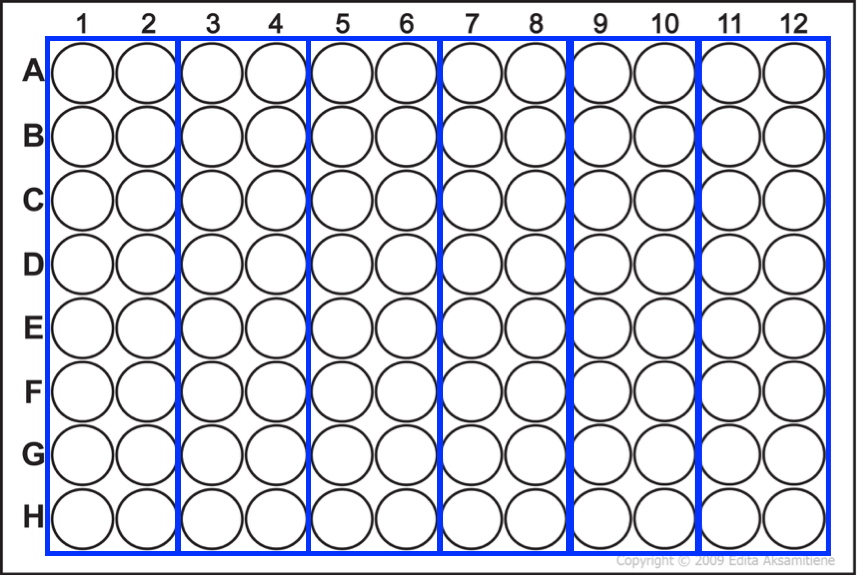
- pool 16 samples together, add 5µl ExoI to each Rxn. 37˚C 45min, 4˚C hold
- purify with 1.5X Kapa beads, elute with 12µl 10mM Tris
- Again, pool the 6 purified samples together, purify with 1X KAPA beads, elute with 12µl 10mM Tris. We now have 96 samples pooled together.
**Safe stopping point: The purified cDNA can now be stored safely at -20˚C
Part2:
2nd strand synthesis w/ NEB Next Ultra Directional RNA library kit
Make 1st strand reaction buffer + random primer mix
4µl 1st Strand Buffer
1µl Random primer
5µl H2O
10µl
2nd Strand synthesis
10µl cDNA purified
10µl 2X 1st strand buffer + random primer
20µl
95˚C 5min, SNAP cool on ice
46µl H2O
8µl 2nd Strand Syn Buffer 10X
4µl 2nd Strand enzyme mix
2µl dNTP (10mM)
80 total
16˚C 1hr
Purify with 1.8X beads, elute with 10µl H2O, and proceed to RNA synthesis
T7 RNA synthesis:
10µl purified 2nd strand cDNA
2µl 10X reaction buffer
2µl ATP
2µl GTP
2µl UTP
2µl CTP
2µl T7 polymerase
22µl
37˚C overnight, run 2µl on gel to confirm RNA
PartIII:
DNaseI Digestion:
– Add 1µl DNase I to each RNA syn. Reaction. Incubate 37˚C 15min.
100µl Reaction + H2O
150µl Kapa Beads
– purify with 1.5X Kapa Beads. Elute with 20µl H2O
RNA Fragmentation
Half of our synthetic RNAs will be fragmentized before processed further. The other half will stay unfragmentized.
9µl RNA purified
2µl RNA Fragmentation Buffer
9µl H2O
20µl
94˚C 2min, SNAP cool on ice
add 2µl RNA stop solution
Purify with Ampure beads with Isopropanol
22µl Fragmentized RNA
28µl H2O
150µl Ampure beads
50µl Isopropanol
elute with 10µl H2O , proceed to 3’ adaptor ligation
3’ adaptor ligation with NEB small RNA kit
Now we have two sets of samples: fragmentized (LRNA enriched) and unfragmentized (sRNA enriched)
The unfragmentized RNA will be enriched in small RNA, whereas the fragmentized RNA will be mostly large RNA
- First, dilute MARs 3’adaptor adenylated 6 fold 1µl stock:5µl H2O
6µl Input RNA
1µl MARs 3’ adaptors adenylated 6 fold dilution
7µl total
70˚C 2min, SNAP cool on ice
10µl 3’ ligation reaction buffer 2X
3µl 3’ ligation enzyme mix
20µl
incubate 25˚C 1hr
Hybridize RT Primer:
To the ligation reaction: Add:
4.5µl H2O
1µl 2nd RT primer (6 fold dilution of 100µm)
75˚C 5min, 37˚C 15min, 25˚C 15min, 4˚C hold
RT:
Add:
4.5µl H2O
8µl 1st strand syn buffer
1µl RNaseIn
1µl Protoscript II RT
40µl total
Incubate 50˚C 60min
PCR
Add:
50µl Long Amp Taq 2X MM
2.5µl universal primer
2.5µl Index primer ( use different Index, carefully note the index number )
5µl H2O
100µl
Stage1:
94˚C 30s
Stage2:
94˚C 15s
62˚C 30s
70˚C 30s
cycle Stage2 for 15 cycles
Stage3:
70˚C 5min
4˚C hold
run 5µl on gel, add more cycles if necessary
Safe stopping point: the PCR reaction could be stored in -20˚C until it can be processed further
Size Selection:
- The PCR-adaptor dimer is 150bp, so the library should be size selected from 170bp – 600bp by methods of choice, e.g. e-gel, pippin prep, gel cutting. Concentrate the size-selected library in 20µl NF-H20.
- Quantify with Qubit DNA HS.
- Run 1ng/µl dilution on Agilent Bioanalyzer DNA HS for QC, make sure there is no adaptor dimers left.
Sample Sequencing on NextSeq500:
- Pool samples together by equal molar mass, make sure all samples have different index numbers.
- Sequence on illumina NextSeq500 with the following parameters:
- Use NextSeq500 mid output Kit 150 cycles
- read 1: 101 , read2: 51 , Index: 6
- 3pM of library input , while keeping 50% of 1.8pM phiX
 RNA-seq: Protocols that Work!